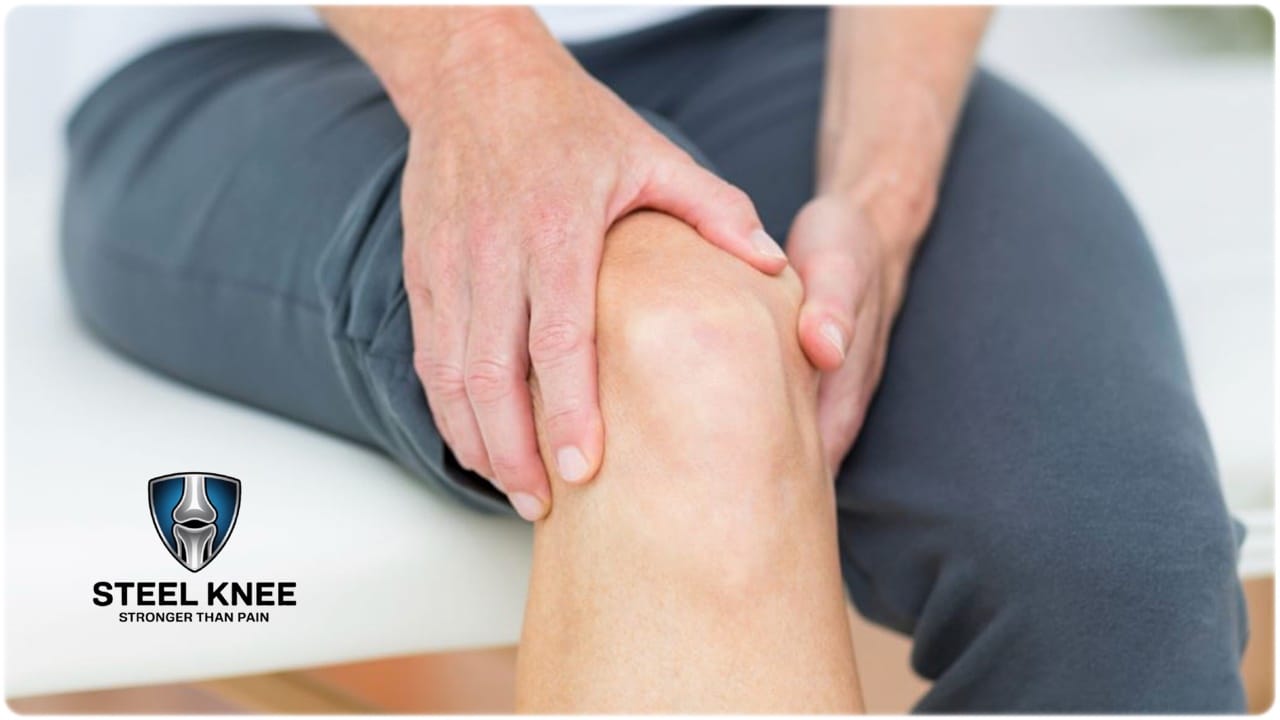
Pain behind the knee is a symptom that worries many people, whether because of its intensity, frequency, or simply the uncertainty about its cause.
This area, known as the popliteal fossa, involves important structures such as muscles, tendons, nerves, ligaments, and blood vessels.
That’s why discomfort in this region can signal anything from minor, temporary issues to conditions that require medical attention.
If you feel pain when bending your leg, walking long distances, or even at rest, it’s essential to understand the possible reasons behind the discomfort.
Knowing the most common causes not only helps relieve the problem but also prevents future complications.
The Real Reason Your Knee Pain Never Goes Away
It's not age. It's not "just wear and tear." Most people are missing the root cause — and this natural formula targets it directly, fast.
In this complete guide, we’ll explore the main causes of pain behind the knee, when to see a doctor, and practical tips to protect your joints and maintain long-term knee health.
Main Causes of Pain Behind the Knee
1. Muscle or Tendon Injuries
The muscles and tendons running through the back of the knee, such as the hamstrings, are prone to strain.
Overstretching, small tears, or inflammation often occur in athletes, runners, or people who make sudden, unprepared movements.
Typical signs: pain when bending the leg, difficulty running or standing quickly, localized swelling.
2. Baker’s Cyst
One of the most common causes of pain behind the knee is Baker’s cyst—a fluid-filled sac that develops in this area.
It usually forms due to underlying joint problems like arthritis or meniscus injuries, which cause excess fluid buildup.
Typical signs: visible swelling behind the knee, pressure or tightness, pain that worsens when stretching or bending the leg.
3. Meniscus Tear
The meniscus is a C-shaped cartilage that cushions impacts in the knee. When it’s injured, pain can radiate to the back of the joint, especially when swelling is present.
Typical signs: pain when twisting the leg, difficulty bearing weight, clicking or popping sounds during movement.
4. Vascular Problems
The popliteal fossa is a passage for major blood vessels. Conditions such as deep vein thrombosis (DVT) or a popliteal artery aneurysm may cause pain behind the knee, often with sudden swelling, warmth, and changes in skin color.
⚠️ Important: these cases are emergencies and require immediate medical care.
5. Arthritis and Osteoarthritis
Both inflammatory and degenerative joint diseases can affect the back of the knee. Rheumatoid arthritis causes widespread inflammation, while osteoarthritis leads to cartilage wear. Both conditions may cause pain and stiffness.
Inflammation of the tendons (tendinitis) or bursae (small fluid sacs that reduce friction between tissues) can also trigger pain in this region. Typical signs: localized pain, warmth, swelling, discomfort that worsens with physical activity.
When Should You See a Doctor?
While mild pain may result from physical effort and improve with rest, some situations demand medical evaluation:
Sudden, severe pain without a clear cause;
Significant swelling or noticeable asymmetry between legs;
Trouble bearing weight on the affected leg;
Fever along with joint pain;
Signs of vascular problems (redness, heat, bluish or purplish skin).
If any of these occur, seek medical help promptly.
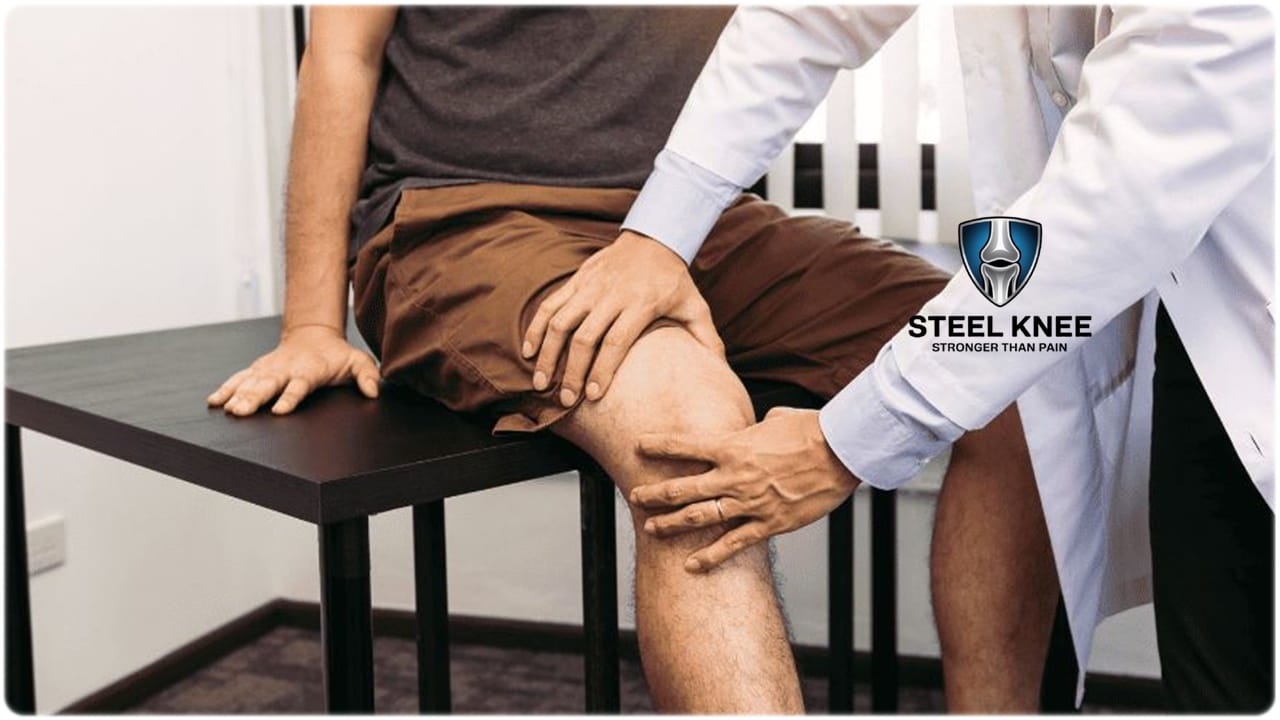
A professional evaluation with physical examination and imaging tests (like ultrasound or MRI) is the best way to identify the underlying cause.
What to Do for Pain Behind the Knee
While waiting for medical evaluation; or in mild cases; you can try simple strategies to ease discomfort:
Relative rest: avoid activities that worsen the pain but don’t stay completely inactive;
Cold compresses: reduce inflammation and swelling;
Leg elevation: improves circulation and relieves pressure;
Gentle stretches: help with flexibility, but only if guided or pain-free.
These measures may provide temporary relief but do not replace proper treatment.
Prevention: Protecting Your Knees
The best way to avoid problems is through long-term joint care:
Strength training: exercises for quads, hamstrings, and glutes provide stability;
Weight management: reduces mechanical stress on the knees;
Balanced diet: nutrients like collagen, vitamin C, calcium, and omega-3s are essential for joint health.
💡 If you want to go deeper, check out our guide on foods that strengthen the knees and joints! Nutrition can be one of your strongest allies in keeping your knees pain-free.
Possible Treatments
Treatment for pain behind the knee depends on the root cause. Common approaches include:
Anti-inflammatory medication: to relieve pain and reduce swelling;
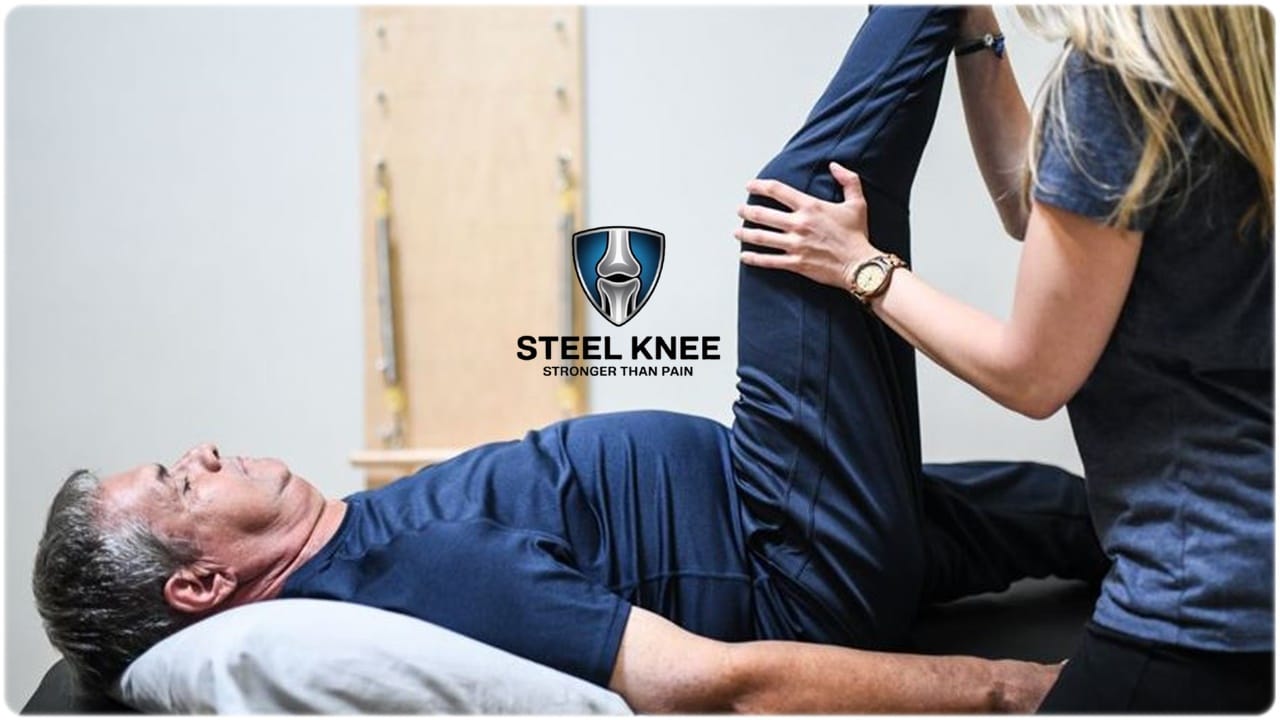
Physical therapy: crucial for restoring strength and mobility;
Injections: in cases of persistent inflammation or cartilage damage;
Surgery: reserved for severe meniscus tears, ligament injuries, or vascular conditions.
Every case is unique, so medical guidance is key for effective results.
Conclusion
Pain behind the knee shouldn’t be ignored, as it can stem from a wide range of conditions.
From something simple and temporary to serious issues requiring urgent care. Paying attention to symptoms, seeking professional help, and adopting preventive measures are essential steps to ensure mobility and quality of life.
Take care of your knees today so you can keep moving freely tomorrow. And remember: the right information, combined with medical support and healthy habits, is your best defense against knee problems.
We use cookies to ensure that we give you the best experience on our website. If you continue to use this site we will assume that you are happy with it