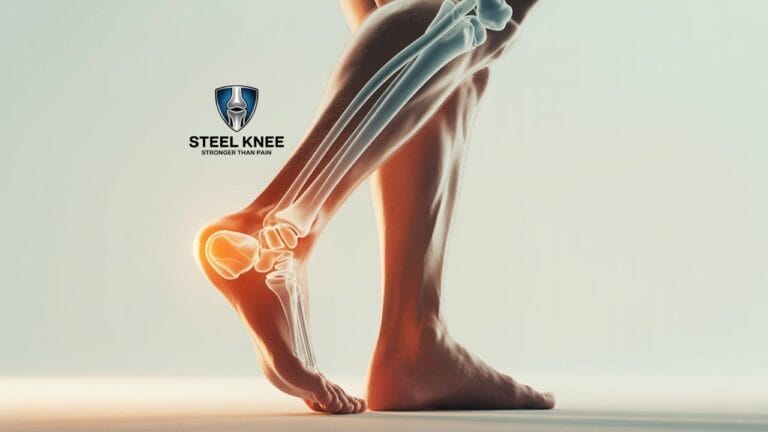
Does Running Ruin Your Knees? Myths and Truths About Running and Joint Health
Spread Health and Love
So, myth or truth? Does Running Ruin Your Knees? Running is one of the most popular sports in the world, mainly because it’s simple, accessible, and highly beneficial for both body and mind.
Still, one question lingers among beginners and even experienced runners: does running ruin your knees?
This concern is understandable. After all, the knees support a significant portion of the body’s impact during running and play a key role in mobility.
But is running really harmful to your joints, or is this belief more myth than fact?
The Real Reason Your Knee Pain Never Goes Away
It's not age. It's not "just wear and tear." Most people are missing the root cause — and this natural formula targets it directly, fast.
In this article, we’ll break down the main myths and truths about the connection between running and knee health.
Clarify common misconceptions, and share practical strategies to protect your knees while enjoying the sport.
The Myth: Running Automatically Ruins Your Knees
One of the most widespread myths is that anyone who runs will inevitably end up with serious knee problems.
This belief is so common that many people give up running out of fear; sometimes before even trying.
Scientific studies, however, show that there is no direct link between running and developing knee conditions.
On the contrary, research published in leading medical journals suggests that regular runners actually tend to have a lower incidence of osteoarthritis compared to sedentary individuals.
In other words, far from being destructive, running may actually protect your knees; as long as it’s practiced correctly.
The Truth: Individual Risk Factors Matter
Although running alone doesn’t automatically damage your knees, certain factors can increase the risk of injury.
So, the real answer to the question “does running ruin your knees?” is: it depends.
Here are some of the main risk factors:
Excess body weight: the heavier you are, the more impact your knees absorb.
Poor biomechanics: misalignments in the hips, ankles, or feet can overload the knees.
Overtraining without rest: your body needs recovery to adapt to effort.
Previous injuries: past knee injuries raise the likelihood of future problems.
Weak muscles: insufficient strength means less support and protection for the joint.
So, it’s not running itself that causes problems, but how you train and the condition of your body.
Common Myths About Running and Knees
“Every runner will eventually get arthritis.” → False. Arthritis is influenced by genetics, aging, and injury history—not running alone.
“The impact of running is always harmful.” → Not true. Moderate impact from running can actually stimulate bone growth and strengthen cartilage.
“Only long-distance runners feel knee pain.” → Wrong. Even sedentary people often experience knee pain, usually due to lack of activity, excess weight, or poor posture.
“If I feel knee pain, I’ll never be able to run again.” → False. Many cases of knee pain are temporary and can be resolved with technique adjustments, strengthening, and proper medical guidance.
These myths contribute to the belief that running ruins your knees, when in reality, running can be highly beneficial if done properly.
Important Truths About Running and Knee Health
Running improves blood circulation to the joints, helping nourish cartilage.
Runners often have stronger knees than people who don’t exercise.
Strength training, especially for the quadriceps and glutes, is essential for joint protection.
The right footwear and choosing proper surfaces can make a big difference in preventing pain.
So instead of asking, “does running ruin your knees?”, the better question is: “How can I run safely and keep my knees healthy?”
Risk Factors: When Running Can Actually Harm the Knees
There are certain conditions in which running may worsen existing problems. Examples include:
Patellofemoral pain syndrome (runner’s knee): irritation of the cartilage behind the kneecap.
Meniscus injuries: which can worsen with repetitive impact.
Advanced osteoarthritis: which reduces the joint’s ability to absorb shock.
In such cases, medical and physical therapy support is essential for adapting your training.
How to Run Without Damaging Your Knees
Now that we’ve addressed myths and truths, let’s look at practical strategies for safe, knee-friendly running:
1. Focus on strength training
Strong leg, hip, and core muscles act as shock absorbers for your knees. Squats, lunges, and planks are especially useful.
2. Wear the right shoes
Proper footwear tailored to your gait helps absorb impact. The wrong shoes can significantly raise the risk of knee pain.
3. Manage your training volume
Avoid sudden increases in mileage or intensity. Progress gradually and allow your body time to adapt.
4. Vary your running surfaces
Alternating between road, dirt, and grass can reduce repetitive stress on the knees.
5. Maintain a healthy weight
Every extra pound adds pressure to the joints. Keeping your weight balanced reduces knee strain.
6. Listen to your body
Persistent pain is a warning sign. Get checked by a professional before continuing. Early detection can prevent long-term injuries.
Nutrition and Knee Health
Nutrition also plays a key role in joint protection. A diet rich in foods that strengthen knees and joints can make a big difference in long-term health.
If you’d like to explore this further, check out our article: Foods That Strengthen Knees and Joints – a practical guide on how diet can support joint health and performance.
Conclusion: So, Does Running Ruin Your Knees?
After reviewing both myths and scientific evidence, the answer is clear: no, running does not ruin your knees when practiced correctly. On the contrary, running can strengthen joints, improve cartilage health, and promote overall well-being.
Knee problems usually arise from poor preparation, overtraining, ignoring early signs of discomfort, or pre-existing conditions; not from running itself.
So don’t let fear hold you back. Build strength, use the right shoes, train smart, and take care of your diet. That way, your knees will carry you through many miles safely and happily.
✦ If you’ve ever felt knee discomfort or want to prevent future pain, consider trying Joint Restoration, a supplement designed to support joint health, reduce inflammation, and strengthen cartilage. It can be a powerful ally for runners and anyone who wants to keep their knees healthy for the long run. (Click here and RESTORE your JOINT HEALTH.)
We use cookies to ensure that we give you the best experience on our website. If you continue to use this site we will assume that you are happy with it